
Choosing Fine Art Photography for Your Home
Fine-art photography can add atmosphere, depth and individuality to a contemporary interior. The right artwork depends on the room’s scale, existing colours, available light and whether you prefer the tactile softness of Photo Rag or the clean, modern presentation of Aluminium Dibond.
What Does Photographic Wall Art Add to a Room?
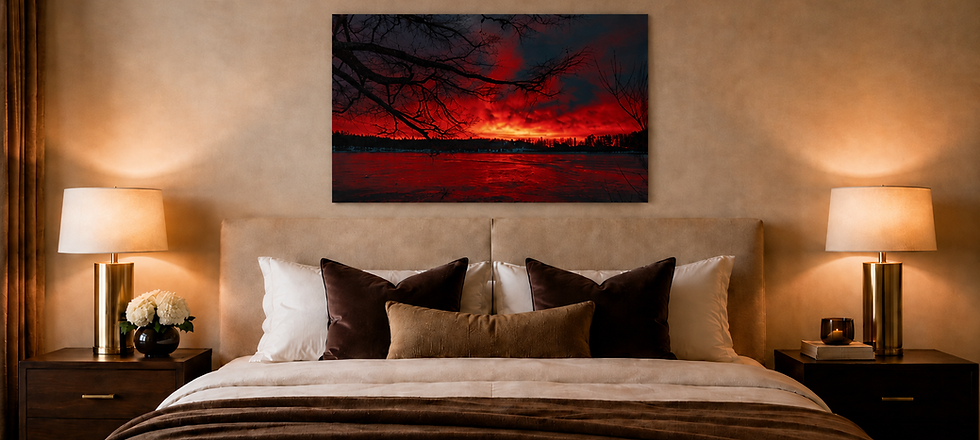
Photographic wall art can shape a room’s atmosphere, establish a natural focal point and give the space a more individual character. An expansive landscape can introduce depth and tranquillity, while wildlife or detailed nature photography can bring energy, intimacy and a closer connection to the natural world.
Rather than selecting a print simply because its colours match the décor, consider how you want the room to feel and how the artwork will be viewed from different distances. Scale and presentation also influence its presence: Photo Rag creates a softer, tactile appearance, while Aluminium Dibond provides a clean, contemporary finish. The result should feel considered and personal—not merely decorative.
I believe photography has a particular ability to preserve something real—a moment of light, movement or stillness that existed only briefly. Living with a photograph can draw you into that moment, offering a quiet pause and a grounding sense of connection to a place or subject beyond your immediate surroundings.
How Do You Choose the Right Artwork Size?
The right artwork size depends on the available wall space, surrounding furniture, viewing distance and whether you want the photograph to act as a focal point or a quieter supporting element.
When placing artwork above a sofa, bed or sideboard, a useful starting point is to choose a finished display width of approximately two-thirds of the furniture beneath it. This is a guide rather than a strict rule: the artwork should feel visually connected without appearing cramped or undersized. On an open wall, consider both the available space and the amount of breathing room you want around the image.
A larger photograph creates greater presence and allows details to remain visible from across the room, while a smaller print encourages closer, more intimate viewing. If displaying several photographs together, assess the dimensions of the complete arrangement, including the spaces between each piece.
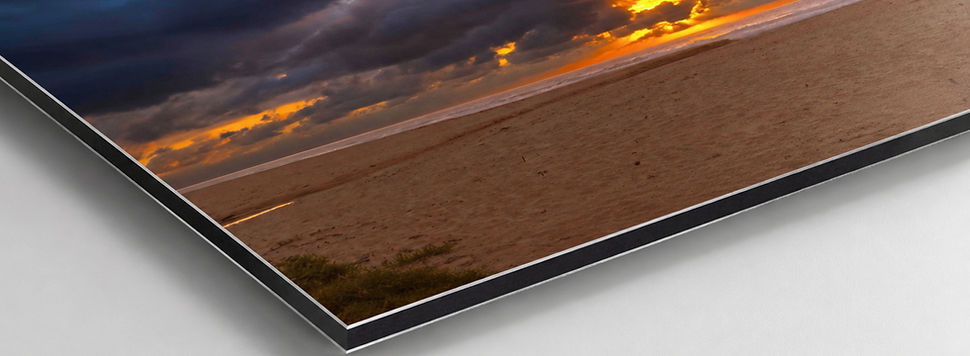
Remember that the listed print size may not be the final displayed size. An Aluminium Dibond print retains the dimensions of the panel, while a Photo Rag print will occupy more wall space once mounted and framed. Before ordering, mark the proposed dimensions on the wall with low-tack masking tape or a paper template and view the outline from the positions where the artwork will most often be seen.


Which Photography Subjects Suit Contemporary Interiors?
Contemporary interiors can accommodate far more than neutral or minimalist photography. What matters most is how the subject, colour and visual energy of an image relate to the atmosphere of the space.
Expansive landscapes can introduce a sense of depth, openness and calm, while dramatic skies or stronger contrasts create a commanding focal point. Wildlife photography brings presence and individual character, from the quiet intensity of a portrait to the energy of an animal in motion. Close natural details, plants and seasonal subjects can provide colour, texture and a more intimate connection with the natural world.
Rather than selecting an artwork simply because its colours match the furnishings, consider how you want the room to feel. A photograph that creates curiosity, stillness or emotional connection will usually remain meaningful for longer than one chosen only to coordinate with the décor.
Choosing Photography for Homes, Offices and Hospitality Spaces
Fine-art photography can shape the atmosphere of homes, offices and hospitality spaces, although the right subject, scale and finish depend on how each setting is used.
Living Rooms
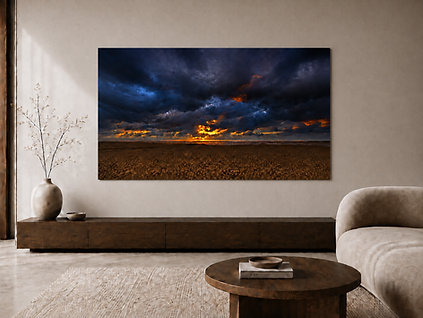
Living rooms often provide the space for a larger statement piece. Expansive landscapes, dramatic light or wildlife with a strong presence can create a focal point that holds attention from across the room. The artwork should feel connected to the furniture beneath it without becoming visually crowded by surrounding objects.
Bedrooms
Photography for a bedroom can be quieter and more reflective. Subtle landscapes, natural details and images with softer colour or gentle movement can contribute to a restful atmosphere. Choose something you will enjoy seeing at both the beginning and end of the day rather than selecting purely by colour.
Home Offices and Professional Workspaces
Home offices and professional workspaces benefit from photography that provides visual interest without making the environment feel busy. In a home office, an absorbing landscape or characterful wildlife image can help define the working area, provide a brief change of focus and create a sense of separation from the surrounding domestic space.
In a professional office, carefully chosen artwork can strengthen the character of the environment and create a more considered, welcoming impression for staff, clients and visitors. Choose an image that holds interest over time while remaining balanced within the wider workspace.
Hotels and Hospitality Spaces


Fine-art photography can help establish the identity and atmosphere of a hotel, from a distinctive statement piece in a reception area to quieter images in guest rooms and corridors. A single prominent artwork can provide a memorable focal point, while a series of related photographs can create visual continuity throughout the building. Subject, scale and finish should reflect the character of the surroundings and the experience the space is intended to provide.
Light and viewing position matter in every setting. Avoid prolonged direct sunlight, consider possible reflections throughout the day and position the centre of the artwork close to natural eye level from the place where it will most often be viewed.
Sustainability: Photo Rag or Aluminium Dibond?
No fine-art print is without environmental impact, and sustainability cannot be judged by the printing material alone. The materials used, how the artwork is produced, its durability and how long it remains in the home all contribute to the overall picture.
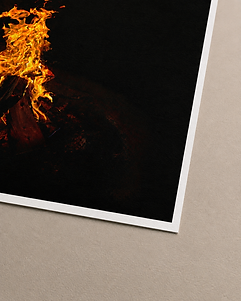
Hahnemühle Photo Rag has a 100% cotton base with a matt fine-art inkjet coating, creating a lightweight print with a soft, tactile surface. It requires careful handling and is normally framed for display, with glazing often used for additional protection.
Aluminium Dibond combines thin aluminium sheets with a polyethylene core. Its components can be recycled, although the composite layers must first be separated and access to suitable recycling facilities varies. Its principal advantage is its excellent rigidity, stability and durability without the need for a traditional frame.
My prints are produced to order, helping to reduce unnecessary production and unsold stock. Ultimately, the most considered choice is the artwork and finish that suit your space and that you expect to appreciate for many years.

Why Buy Photography Directly from a UK Photographer?
Buying directly from a UK photographer gives you greater clarity about the authorship, intention and production of the artwork. Each print begins with a moment I witnessed and photographed, followed by considered decisions about composition, colour, scale and presentation. That creative context can make the finished work feel more personal than anonymous, mass-produced wall décor.
When purchasing from me, information about the print material, available sizes, edition status and presentation comes directly from the person who created the image. If you are uncertain whether Hahnemühle Photo Rag or Aluminium Dibond would best suit your chosen artwork and space, you can ask for guidance before buying. Where a photograph is offered as a limited edition, its edition and authenticity details are clearly stated.
Buying directly also supports an independent UK photographic practice, allowing me to continue creating and presenting new work while maintaining a clear connection between photographer, artwork and collector.


Explore the Fine Art Photography Collection
Explore landscape, wildlife and nature photography created for contemporary homes, offices and hospitality spaces. Each artwork is available in carefully considered sizes and presented on Hahnemühle Photo Rag, Aluminium Dibond or a choice of both, depending on the character of the photograph.
Begin with the subject that holds your attention, then consider how its scale and finish will shape its presence within your space.
